
Last updated September 10, 2026
Full 25-point door and opener safety check with every visit - springs, cables, rollers, tracks, and your LiftMaster or Chamberlain opener included
You get a price before we start. It does not change when the truck arrives.
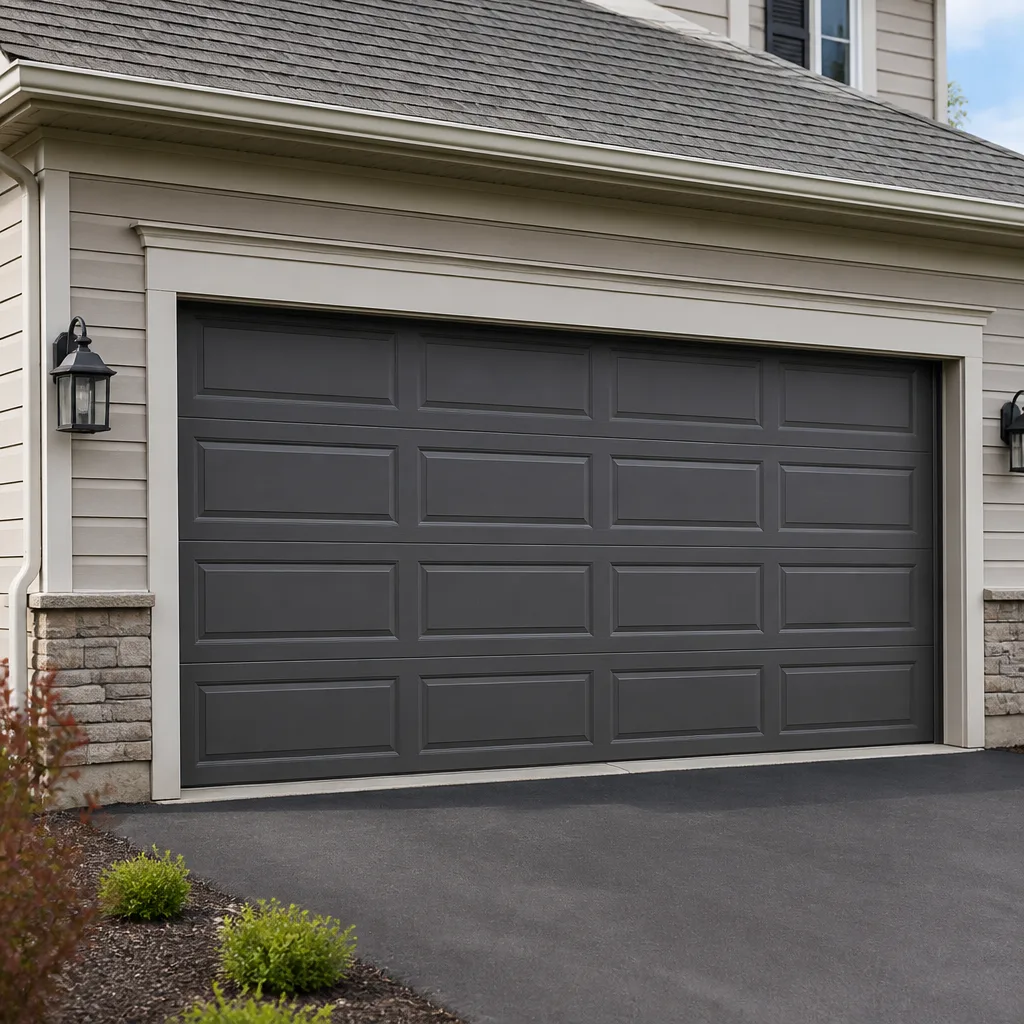
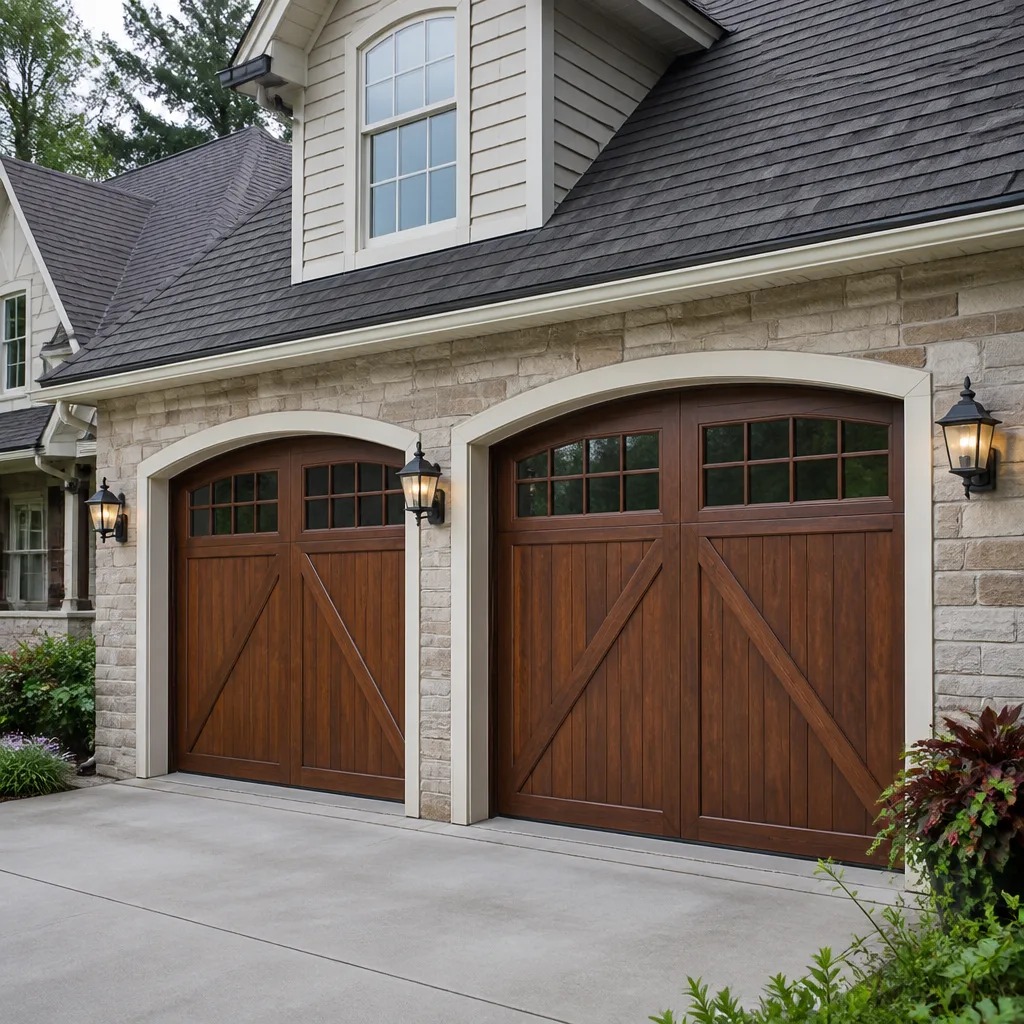
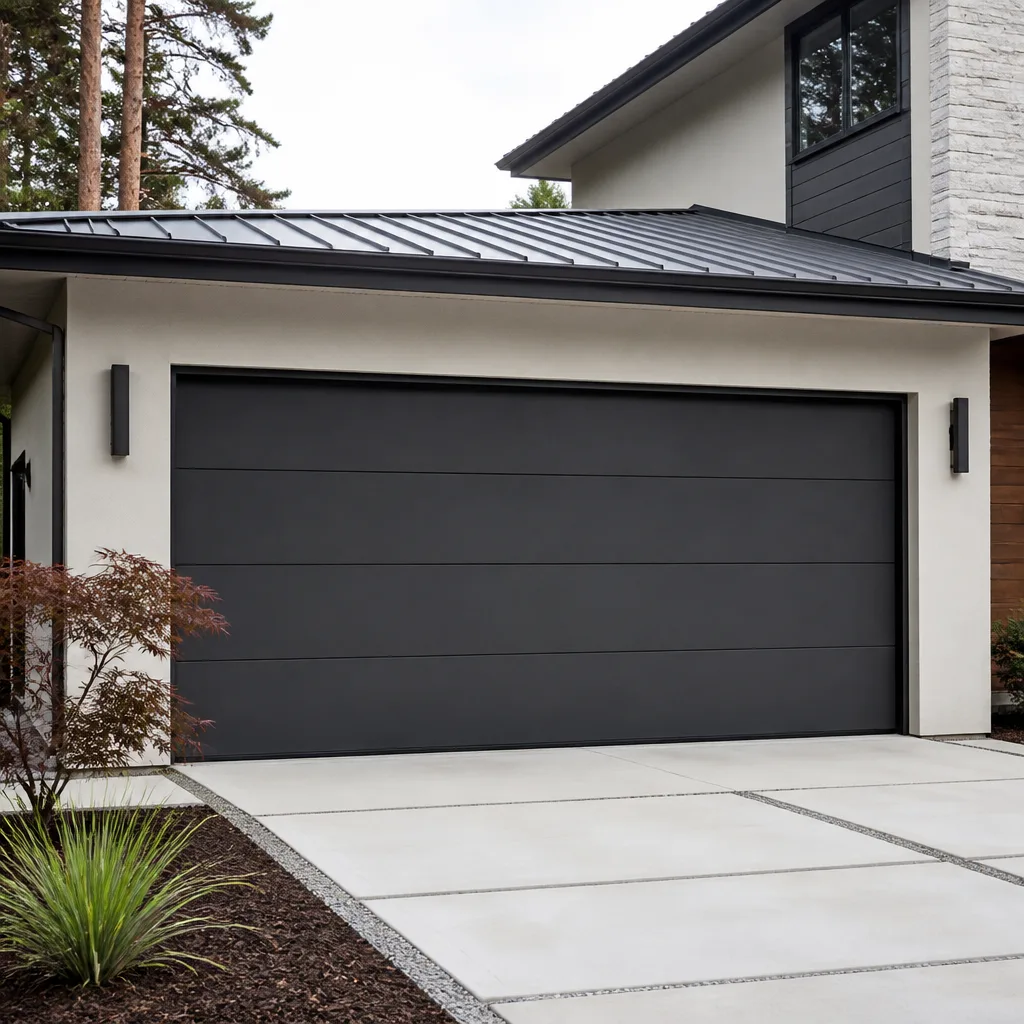
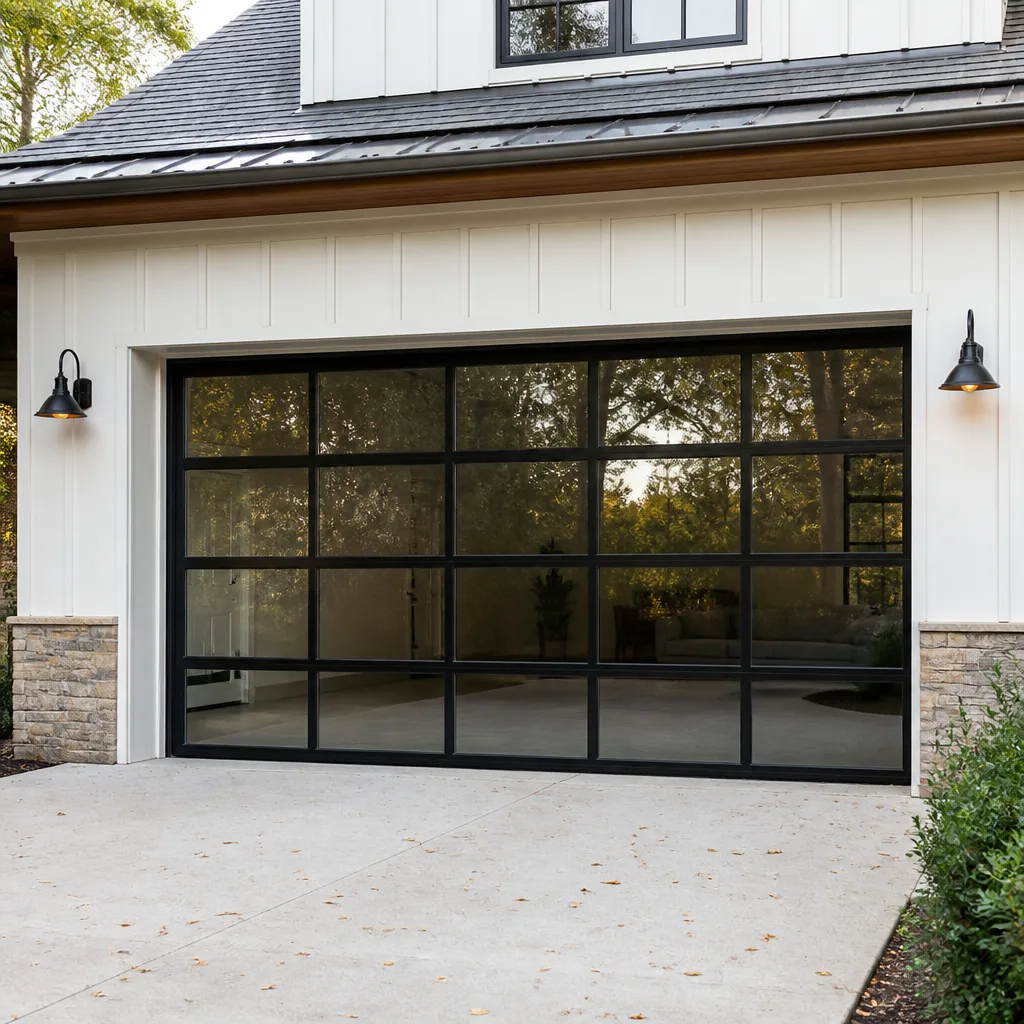
 Before
 After
After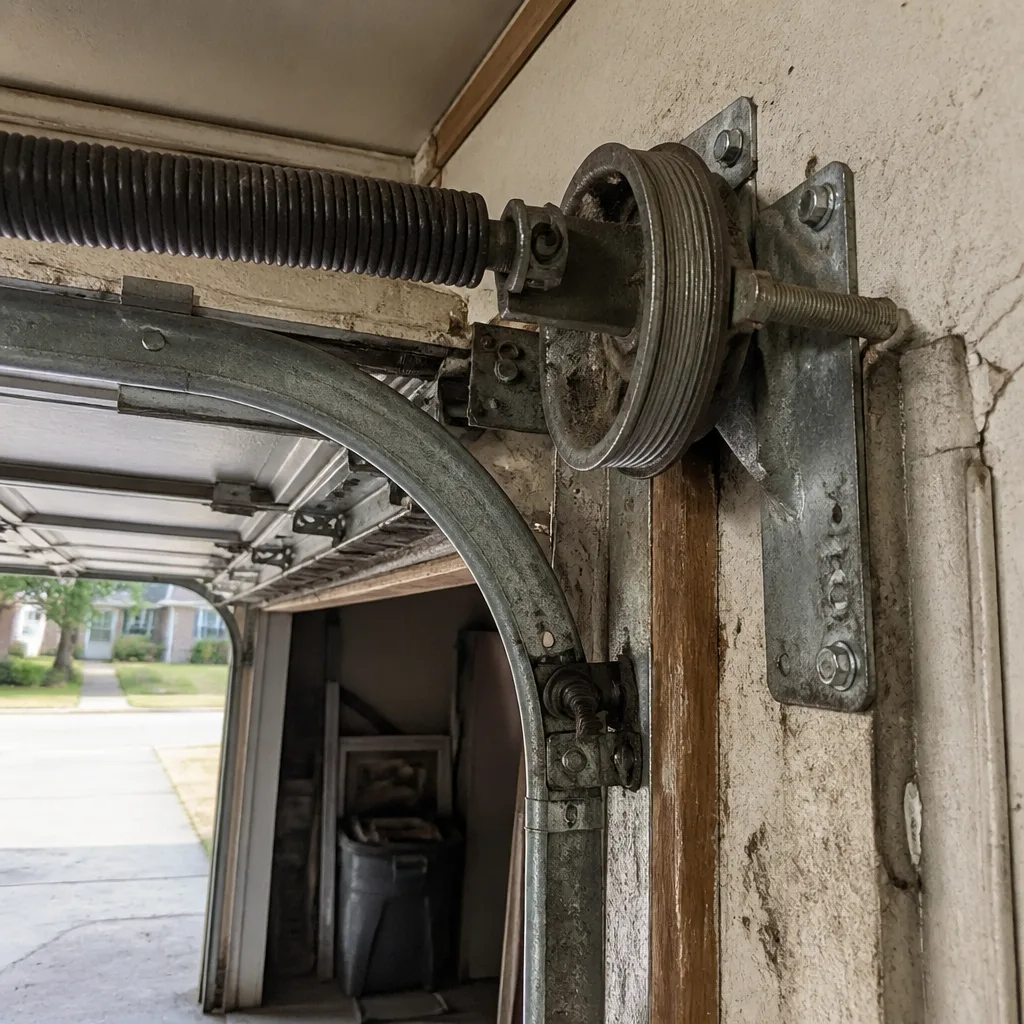 Before
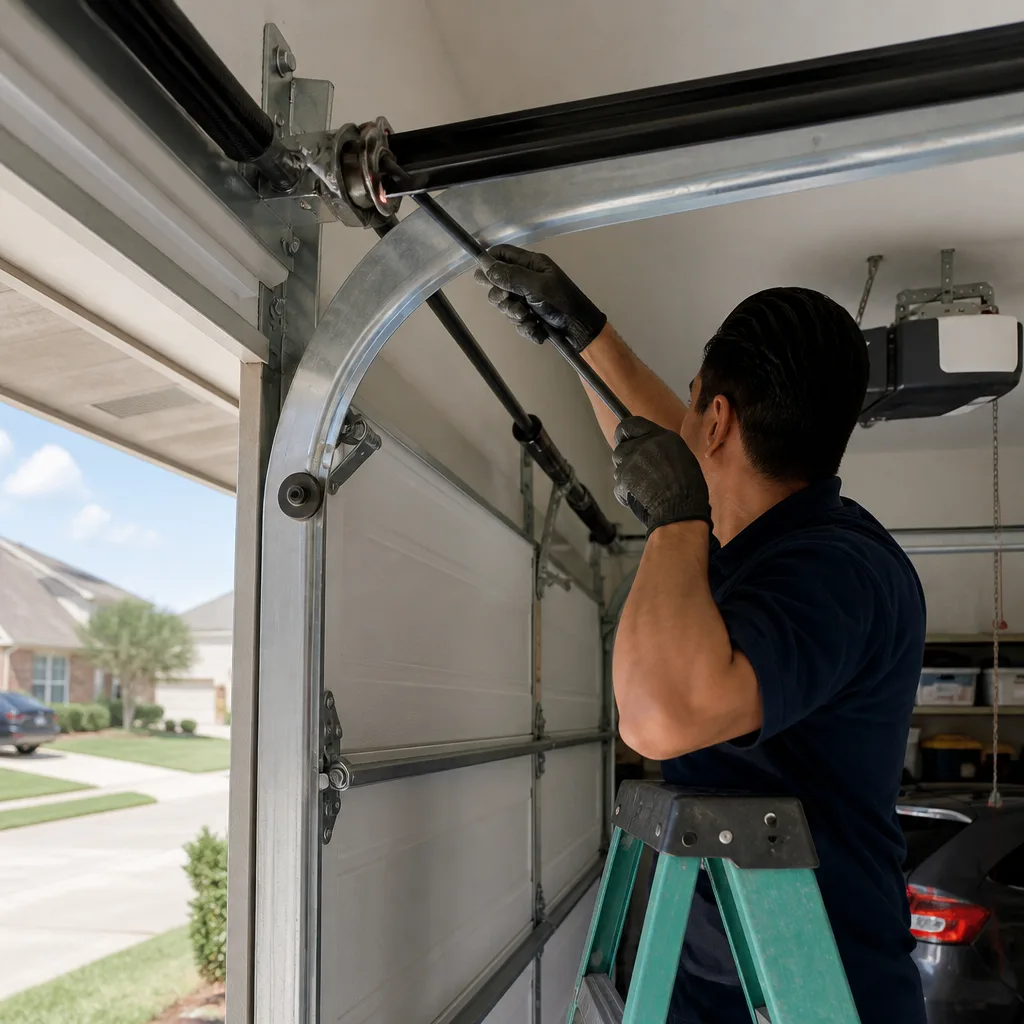 After
After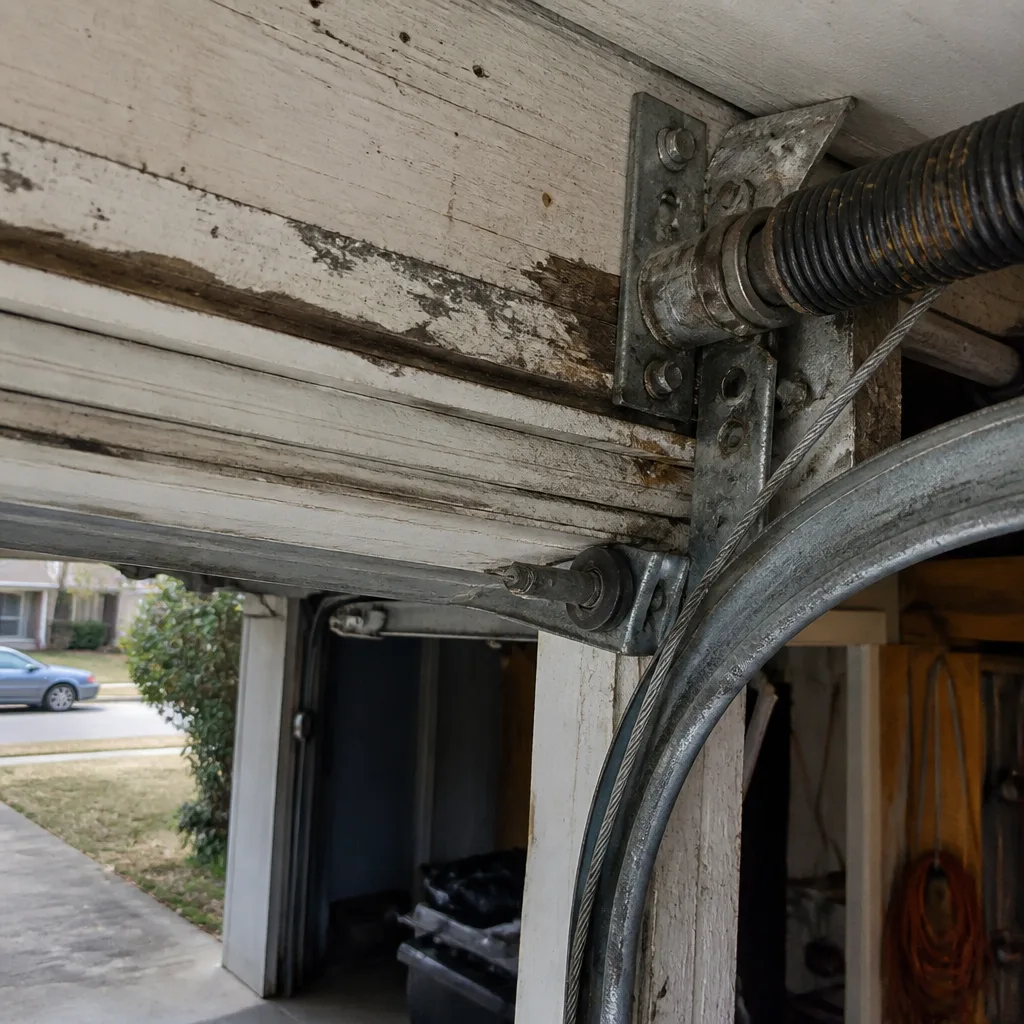 Before
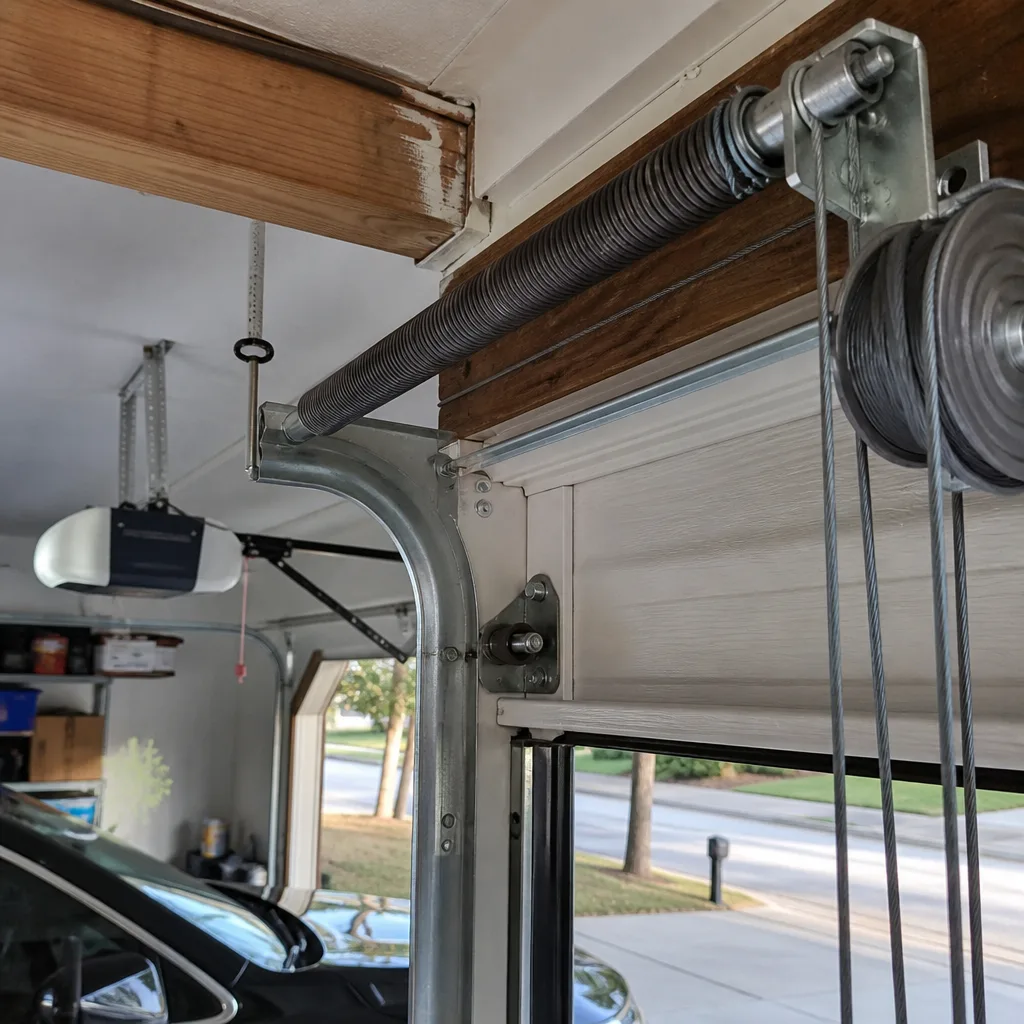 After
AfterThe Complete Guide to Garage Door in Pasadena
Pasadena averages over 50 inches of rain a year and sits inside Harris County’s hurricane evacuation zone - yet most garage door buying guides are written as if the biggest threat is a cold snap. That’s a problem, because a door spec’d for a dry inland climate will corrode faster, bind sooner, and fail uglier here in Pasadena than anywhere else in Texas. This guide covers what actually matters for your door: salt air, clay soil, wind load, and the difference between a door that lasts twelve years and one that lasts thirty. For more guides & resources on coastal garage door care, see our blog. You’ll learn how to spec a door for this specific stretch of the Gulf Coast, what repairs are worth doing, and what to walk away from.
Quick Answer
Garage door decisions in Pasadena, Texas are driven by three local factors most generic guides ignore: Gulf Coast humidity that corrodes untreated steel within five years, clay soil that shifts foundations and throws door tracks out of alignment, and hurricane-season wind loads that demand reinforced bracing on any door facing the Ship Channel. The right door for a Pasadena home is a 24-gauge or thicker steel door with a factory-applied corrosion-resistant coating backed by insulation appropriate for an attached Texas garage that doubles as a workspace, installed with wind-load reinforcement and hardware rated for coastal air. Expect to pay between $1,100 and $3,200 for a quality installed door, and always verify your installer has a published Pasadena address.
Table of Contents
- How Pasadena’s Climate and Humidity Attack Your Garage Door
- Wind-Load Ratings in Harris County and What the 2021 IRC Changed
- Clay Soil, Pier-and-Beam Homes, and Why Your Tracks Go Out of Plumb
- Steel, Composite, and Wood: What Actually Lasts in Salt Air
- R-Value and Insulation: Matching a Door to a Texas Workspace Garage
- Springs, Openers, and the Parts That Fail First in Pasadena
- What Garage Door Work Costs in Pasadena
- Common Mistakes to Avoid
- When to Call a Professional
- Frequently Asked Questions
How Pasadena’s Climate and Humidity Attack Your Garage Door
We’ve been doing garage door repair in Pasadena since 2004, and we can tell you exactly which doors fail and when. The salt air rolling in from Galveston Bay doesn’t just sit on surfaces - it gets pulled into the garage by the same convection that makes your attached garage unbearable in August. That warm, moist, salt-laden air settles on every metal surface, and it eats things.
Here’s what we see in Pasadena specifically:
- Untreated steel panels on budget doors start showing rust bloom at the lower edges within 3 to 5 years. The bottom panel sits closest to the slab, where moisture wicks up after every rain. Once rust starts there, the panel is done - you can paint over it, but the rot runs underneath.
- Galvanized hardware corrodes at different rates depending on where it sits on the door. The hinges and brackets on the bottom panel, nearest the damp slab, seize up first. We regularly replace bottom fixtures on doors where the top hardware looks factory new.
- Torsion spring coils develop pitting and micro-fractures faster in coastal air than inland. A standard spring rated for 10,000 cycles in Austin might only make 7,000 or 8,000 cycles in Pasadena before it snaps. We count spring cycles the way you count tire miles - and we’ll tell you what’s left on yours.
The fix is not to avoid metal, because every affordable door is metal. The fix is to spec the right coating and the right gauge. More on that in the materials section below.
Wind-Load Ratings in Harris County and What the 2021 IRC Changed
Harris County enforces wind-load requirements that most national door retailers gloss over until the building inspector flags the job. Pasadena sits in a region where the design wind speed for residential structures is between 130 and 140 mph depending on your exact location relative to the Ship Channel and the bay. If your home is on the open southeast side, closer to the water, you’re at the higher end of that range.
Here’s what a wind-rated door actually means, and what changed with the 2021 International Residential Code update:
- The 2021 IRC tightened anchoring requirements for garage door jambs. Older installs used whatever screws the installer had in the truck. Current code requires specific lag screw sizes and spacing on the wood jamb that carries the door. If your door was installed before 2021, there’s a good chance the jamb attachment is under-spec’d for current wind maps.
- Doors over 8 feet wide now require a reinforcing strut across each section, not just the top. This is the single biggest change we see inspectors flag on replacement doors in Pasadena. A wide door without struts flexes inward under a 130 mph gust, and once it flexes past the track, the wind gets behind it and you lose the whole door.
- The pre-2021 practice of using double-ended hinges on the top section is now explicitly required, not just recommended. This is a cheap part, but skipping it is how doors get peeled off the opening during a storm.
If you’re replacing a door in Pasadena, ask your installer two direct questions: “How many struts are you putting on this door?” and “What size lags are you using on the jamb?” If they can’t answer both immediately, find someone else. Otto’s garage door installation in Pasadena includes wind-load calculation on every quote, not as an upsell but as the baseline.
Clay Soil, Pier-and-Beam Homes, and Why Your Tracks Go Out of Plumb
Pasadena sits on expansive clay - the same gumbo soil that cracks sidewalks and shifts fence lines all over southeast Harris County. Clay expands when it’s wet and contracts when it’s dry, and over the course of a Pasadena year (fifty-plus inches of rain, then a dry spell, then more rain), that soil movement is relentless. Your garage slab or pier-and-beam foundation follows the soil, and the door tracks bolted to that foundation move with it.
What this means in real terms:
- A door that ran smooth in May can drag or bind by September - not because anything inside the door changed, but because the slab settled a quarter inch on one side. That quarter inch at the floor translates to a half inch at the top of an 8-foot track, and suddenly the door sounds like it’s grinding gravel.
- Older Pasadena homes on pier-and-beam foundations move even more than slab homes. Piers read differently than a continuous footing, so one side of the garage can sit an inch higher than the other after a wet winter. Doors installed on pier-and-beam homes need their tracks re-plumbed more often than doors on slabs.
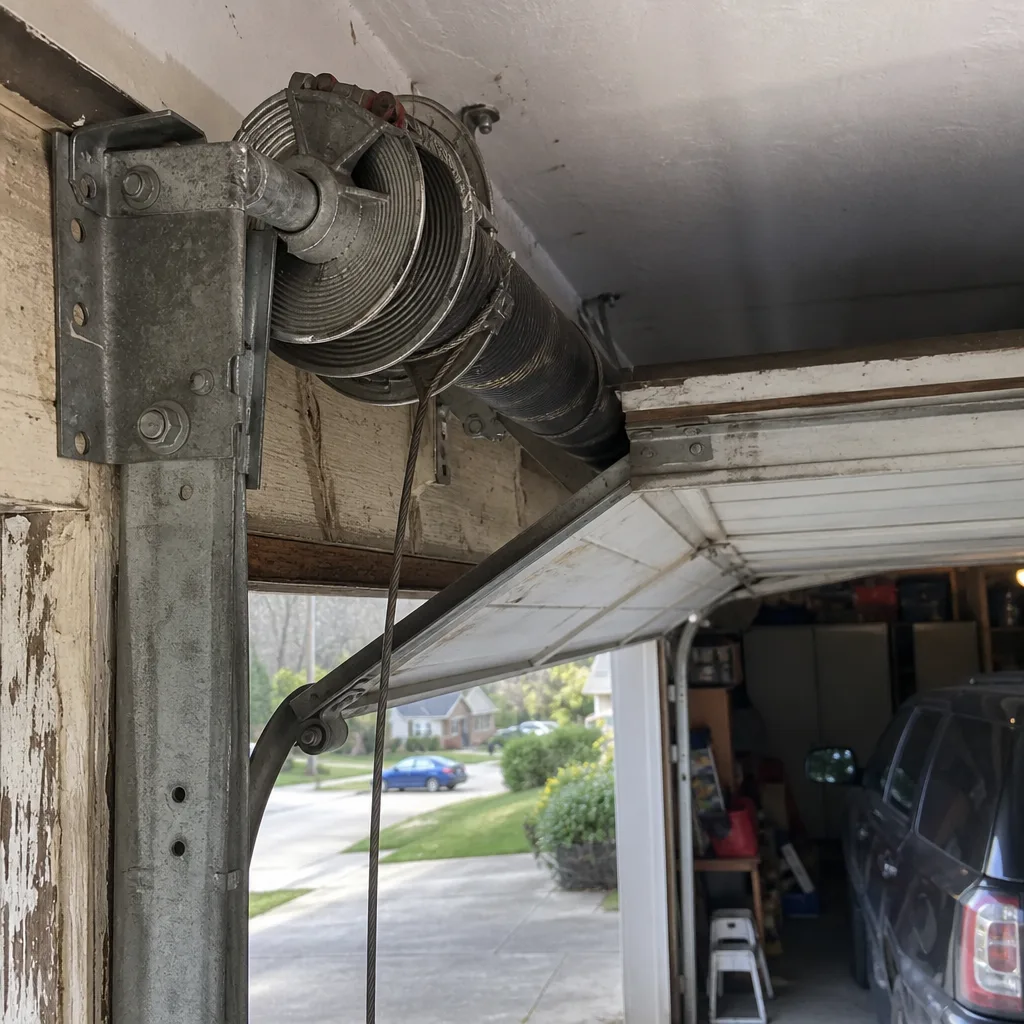
- Cable drums wear unevenly when a door runs out of level. One cable takes more load, the drum unwinds slightly off-pattern, and eventually a cable pops off. When we see a thrown cable in Pasadena, nine times out of ten the root cause is a foundation shift, not a bad cable.
This is why a door spec’d for a new-build Pearland subdivision - flat lot, compacted fill, slab on grade - does not automatically work on an older Pasadena lot with different soil history. The tracks require correction for level and plumb at install, and then they need to be checked again after the first big rain cycle. We do not bolt a track to a moving wall and call it done.
Steel, Composite, and Wood: What Actually Lasts in Salt Air
Every national website will show you the same material chart: steel is cheap, wood is pretty, composite is expensive. None of that helps you in Pasadena’s micro-climate, so let’s talk about what we’ve actually watched happen over twenty years along the Ship Channel corridor.
Steel: buy the gauge, not the price. A 28-gauge steel door from a home center will be in a landfill in six to eight years in Pasadena, no matter how many times you repaint it. A 24-gauge door from Clopay or Amarr with a factory-applied rust barrier and a moisture-resistant bottom seal will go fifteen to twenty years with minimal care. The difference is not small, and it’s not hype - the thicker panel resists flexing, and flex cracks the coating, and cracked coating is where salt air starts. In our experience, 24-gauge coated steel is the floor for any Pasadena garage door that you want to install once.
Composite doors are a legitimate middle ground - and for Pasadena, they’re often the best value. A composite door like those from Amarr’s carriage-house line won’t rust, won’t rot, and takes the humidity swings in stride. You’ll pay more than coated steel, but if your door faces south or takes direct salt spray from the bay breeze, composite pays for itself.
Wood doors are beautiful and honest work - and we install them on Pasadena houses where the architecture calls for it. But be clear-eyed: a solid wood door in this climate needs maintenance every two years, minimum. You’ll seal the bottom edge, keep the panels painted on all six sides, and you will still fight moisture swelling in August. Wood can work. It cannot be neglected.
R-Value and Insulation: Matching a Door to a Texas Workspace Garage
Half the insulation guides on the internet are written for Minnesota, where R-value means survival. Pasadena is a different use case: your attached garage is probably a workshop, a storage room, a beer fridge room, or a place where you actually spend hours. The question is not “How much heat stays inside in January?” The question is “How do I keep this room under 100 degrees in August?”
Here’s the practical guidance we give Pasadena homeowners:
- An uninsulated steel garage door turns your garage into a sheet-metal oven by 2:00 p.m. in July. The sun beats on that metal, the metal radiates inward, and the side wall of your house adjacent to the garage picks up the heat. We’ve measured surface temperatures on uninsulated doors over 140 degrees.
- For a garage that’s just parking cars, R-6 to R-9 is plenty. An insulated door is still the right call - the panel is stiffer and quieter - but you don’t need a high R-value to park a sedan.
- For a garage that doubles as a workspace, an R-12 to R-18 door changes the room - it’s the difference between working out there in the morning only versus working out there all afternoon. The panel is also thicker and sturdier, which helps with wind load.
- Attached garages have a second problem most guides ignore: the door is the biggest temperature sink in the room, not the walls. Insulating the door matters more than insulating the walls on most Pasadena homes, because the door faces the sun and the walls don’t.
Shop by the polyurethane core thickness rather than by marketing numbers. Ask what the door’s actual tested R-value is, not the “effective” R-value. We’ll spec doors by what you actually do in the space, not by a rating sheet.
Springs, Openers, and the Parts That Fail First in Pasadena
A door is 200 pounds riding on two springs. Respect it. That’s the starting point, and in Pasadena’s air we see a few specific failure patterns repeat like clockwork:
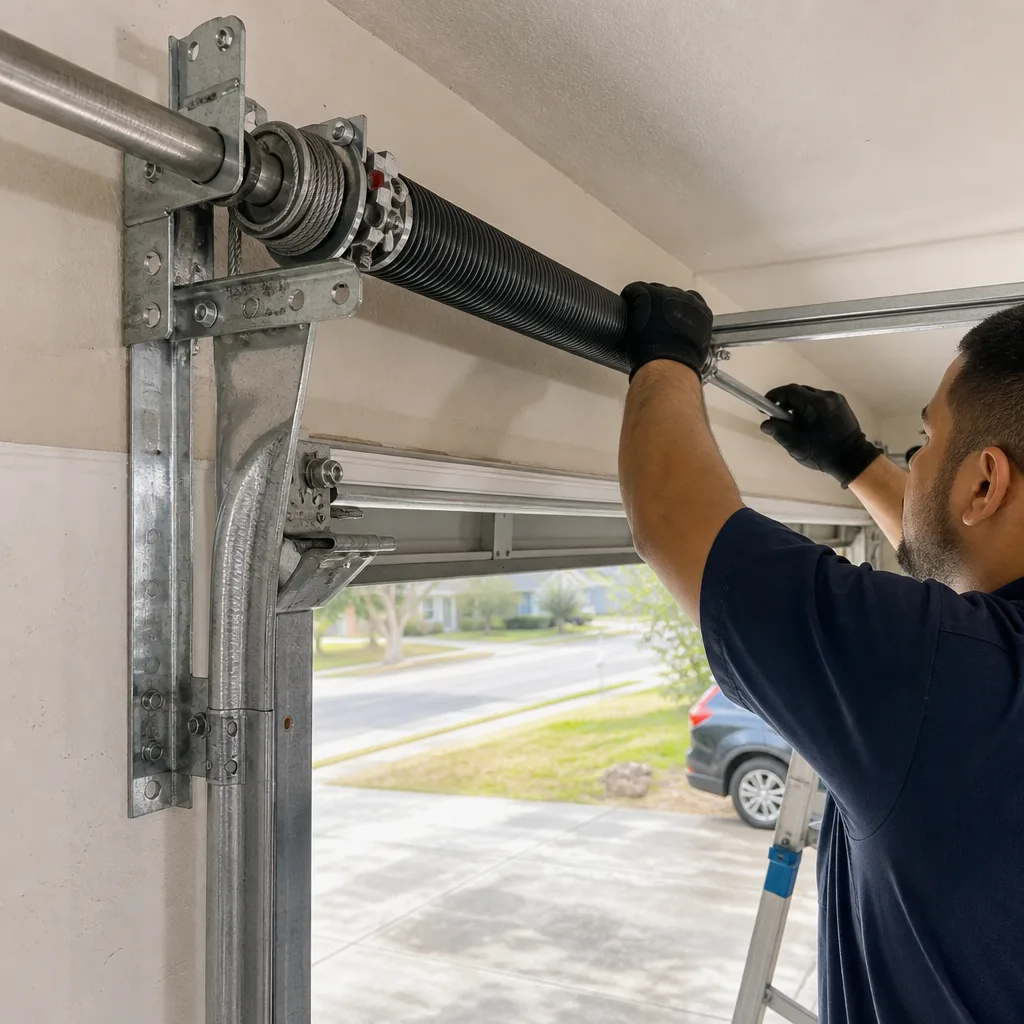
Springs. Torsion springs are rated in cycles - one cycle is one open and one close - and a standard 10,000-cycle spring lasts seven to ten years on a typical two-car household. In Pasadena’s coastal corrosion, subtract a year or two from that. When a spring snaps, it sounds like a shotgun going off in the garage, and the door will not move. You do not fix this yourself. High-tension springs carry enough stored energy to take fingers, break wrists, or kill. A trained pro carries the right winding bars and the right spring on the truck. We stock springs for every door we’ve ever installed, and most doors we’ve never touched.
Openers. A garage door opener usually lasts ten to fifteen years - but here’s the Pasadena-specific insight: if the opener is straining, the problem is almost never the opener. The door is binding, a spring has lost tension, or the track shifted with the soil. Replacing the opener without fixing the underlying door problem just destroys the new opener too. We work on Chamberlain, Genie, LiftMaster, and everything else, and we’ll tell you honestly if the motor is bad or if the door just needs adjustment. That honesty is part of garage door opener service in Pasadena, not a separate charge.
Cables and rollers. Cables rust at the ends where they attach to the bottom fixtures - again, that salt air - and nylon-bushing rollers wear faster in humid heat than steel-bearing rollers. We replace cables in pairs and recommend sealed-bearing rollers on any door that’s near the bay side of town.
What Garage Door Work Costs in Pasadena
Upfront, honest numbers. Here’s what we quote and what we won’t.
Repair Pricing
- Single torsion spring replacement: $160-$280 installed
- Double torsion spring replacement: $250-$420 installed
- Cable replacement (per side): $90-$150
- Track realignment and plumb correction: $120-$200
- Opener motor replacement: $250-$550 depending on drive type and horsepower
- Full diagnostic plus minor adjustment: $65-$120 (waived with repair)
New Door Pricing
- Single-car coated steel, 24-gauge, installed: $1,100-$1,800
- Double-car coated steel, 24-gauge, installed: $1,600-$2,600
- Composite carriage-house, double-car, installed: $2,200-$3,800
- Wood, custom, installed: $3,000-$6,000+
Every number above is what we quote before we start. The price we quote on the phone is the price on the invoice. If we find something makes the job worse - rotted jamb, cracked spring pad - we stop and show you before we do anything. No hidden line items. No upcharge at the door. It’s written on the invoice, and it’s backed by the 90-Day Done Right Promise: if it’s not done right, we make it right, and you call Otto directly, not a customer-service queue.
Active offers worth knowing about: $40 off any repair over $200, a free second opinion on any written estimate, no trip charge inside Harris County, and a permanent 10% discount for seniors and veterans. Those are standing offers, not limited-time gimmicks.
Common Mistakes to Avoid
- Buying a door by price instead of by gauge. A $600 special-order steel door from a big-box store will cost you twice that in five years when the bottom panel rusts through in Pasadena’s salt air. Buy the gauge, not the sticker price.
- Replacing the opener when the door is the problem. We see this weekly: someone replaces a perfectly good Genie motor because the door was binding, and the new opener burns out in eighteen months. Diagnose the door first.
- Ignoring the jamb anchors during a door replacement. Pre-2021 installations often used undersized fasteners, and a wind-load upgrade at the panel level means nothing if the jamb tears out of the wall. Ask to see the lag schedule.
- Lubricating the track instead of the moving parts. The track should be dry. Lubricant goes on the rollers, hinges, and spring - and using the wrong spray in humid coastal air turns into sticky gunk that attracts salt and grime.
- Waiting to fix a slightly-sagging door. A door an inch out of level is grinding its cables and rollers at a faster rate, and in Pasadena’s soil that sag doesn’t self-correct. It compounds.
- Painting over rust instead of replacing the panel. Once the rust blooms through the coating, the panel is compromised. Paint is camouflage, not repair.
When to Call a Professional
If the spring is broken, the cable is off the drum, or the door is off its track: stop and call someone. A door is 200 pounds riding on two springs, and when that stored energy lets go it doesn’t give you a warning. Same goes for anything involving the tension system - winding a spring, re-tensioning a cable, or swapping a bottom bracket under load. These are not YouTube projects, and a trip to the ER costs more than the service call.
For everything else - a noisy door, a slow opener, a drafty panel, a sagging corner - the question is whether you want it fixed right or fixed twice. Otto’s Garage Door offers free estimates in Pasadena - call (346) 623-5419 and we’ll come look. No trip charge inside Harris County, and the quote we give you on the phone holds when we get there.
Frequently Asked Questions
Most garage door repairs in Pasadena run between $90 and $420 depending on the part. A single torsion spring replacement typically costs $160 to $280, a cable replacement runs $90 to $150 per side, and a complete opener replacement falls between $250 and $550. The exact price is quoted before we start - call (346) 623-5419 for a free estimate on your specific door.
Pasadena homes require a door rated for 130 to 140 mph design wind speed depending on your exact location relative to the Ship Channel and Galveston Bay, and the 2021 IRC added mandatory strut and anchoring requirements for any replacement door. If you’re unsure what your home’s specific rating is, we look it up by address before we quote, not after the inspector gets involved. For details on local requirements, see Garage Door Permits, Codes & Inspections in TX: What You Need to Know.
A 24-gauge coated steel door installed correctly in Pasadena will last fifteen to twenty years, while a thin 28-gauge door from a home center typically rusts through in six to eight years due to the salt air and humidity. Composite doors last even longer - twenty to thirty years - because they have nothing to rust. The spring on any door, regardless of material, will need replacing every seven to ten years.
Yes. We answer the phone around the clock, including nine at night when a spring lets go and your vehicle is sealed inside. Otto quotes the job on that call, holds the number when he gets there, and the truck carries the common springs, cables, and openers so most Pasadena repairs are done in one visit, not one visit to diagnose and one to come back.
No. The price we quote on the phone is the price on the invoice, written down before any work starts. If we discover something that changes the scope - a rotted jamb, a bad spring pad - we stop and show you before touching anything, and you decide what happens next.
Yes. We work on LiftMaster, Chamberlain, Genie, Clopay, Amarr, Wayne Dalton, Craftsman, and Raynor, and Otto has been across every one of them since 2004. If a part is discontinued, we’ll source a compatible replacement and tell you exactly what the difference is before we install it.
It can be. Older Pasadena homes on pier-and-beam foundations or on lots with expansive clay soil require track leveling and plumb correction that a fresh, flat Pearland subdivision lot doesn’t. Wind exposure also varies block by block - homes closer to the Ship Channel open water may need higher-rated strutting and anchoring. We quote each home by address, not by a generic zip-code table.
Repair when the door itself is structurally sound: broken springs, worn cables, misaligned tracks, or a failed opener are all fixable for well under the cost of a new door. Replace when the bottom panel is rusted through, the sections are dented to the point of structural weakness, or the door is a thin 28-gauge panel that’s already showing salt-air rust bloom. A new quality door in Pasadena pays for itself over two repair cycles.
The Bottom Line
Your garage door in Pasadena is a coastal door, even if you can’t see the water from the driveway. Salt air wants to rust it, clay soil wants to twist it, and hurricane winds want to peel it off the house - and a door spec’d for a generic Texas suburb isn’t built for any of those three fights. Buy 24-gauge coated steel or composite, spec the wind reinforcement, level the tracks to the actual building (not the original install), and check the springs every five years after year seven. The name on the van is the same name on the license and the invoice - that’s how we’ve done it since 2004, and that’s how it should be done for your house.
Call (346) 623-5419 and ask for Otto. A live person answers, quotes the job on the call, and holds the number when they pull up. Free estimates. No pressure. Just a straight answer from someone who’ll see you at the feed store on Saturday.
Written by Otto Reinhardt, Owner at Otto’s Garage Door, serving Pasadena since 2004.